Dental surgical instruments are designed for procedures that require controlled cutting, gripping, tissue handling, extraction and suturing.
Unlike basic examination instruments, many surgical tools include hinges, jaws, blades or specially shaped working ends.
This makes manufacturing consistency especially important.
For dental clinics, instrument selection affects workflow. For distributors, product variety and long-term consistency are equally important.
This guide explains the major types of dental surgical instruments and what B2B buyers should consider before purchasing.
What Are Dental Surgical Instruments?
Dental surgical instruments are professional hand tools used during oral surgery and related procedures.
Common examples include dental elevators, extraction forceps, surgical scissors, needle holders and tissue forceps.
Many of these tools are designed for specific procedures or anatomical areas.
Dental Elevators
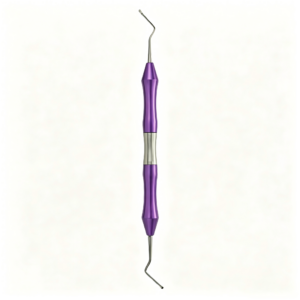
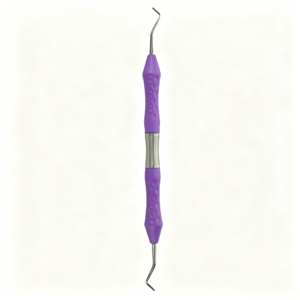
Dental elevators are used during extraction and surgical workflows.
Different designs may feature straight, angled or curved working ends.
Some surgical elevators are also used for tissue reflection and controlled access.
The handle should provide secure grip and good control.
For distributors, elevators can be offered individually or as part of complete extraction or surgical sets.
Extraction Forceps
Dental extraction forceps are among the most recognizable oral surgery instruments.
They feature gripping handles connected to shaped beaks.
Different forceps patterns are designed for different tooth positions and applications.
When sourcing forceps, buyers should evaluate:
beak alignment, hinge movement, handle texture, surface finish and overall symmetry.
For OEM manufacturing, reference samples are particularly useful because small differences in beak shape can be important.
Surgical Scissors
Dental surgical scissors are used for precision cutting.
Different patterns may include straight or curved blades.
Blade alignment and hinge movement are important quality factors.
When inspecting samples, scissors should open and close smoothly.
Needle Holders
Needle holders are designed to grip suture needles.
They may include locking handles and textured jaws.
The locking mechanism should engage consistently.
Buyers should also inspect jaw alignment and hinge movement.
Tissue Forceps
Tissue forceps are used for controlled soft-tissue handling.
Fine tips require accurate alignment.
Grip texture along the handle can support instrument control.
Different jaw or tip designs can be selected according to surgical requirements.
Stainless Steel Surgical Instruments
Dental surgical instruments are commonly manufactured from stainless steel.
However, the appropriate material and manufacturing process may vary according to the product.
A fine tissue forceps and a heavy extraction forceps have different mechanical requirements.
Professional manufacturers should control material selection according to product specification.
Hinges and Joints
Moving components require additional manufacturing attention.
The hinge of extraction forceps, scissors or needle holders should move smoothly without unnecessary looseness.
This is one reason B2B buyers should evaluate samples rather than relying solely on website photographs.
Handle Texture and Ergonomics
Surgical procedures often require strong and controlled grip.
Some instruments use knurled surfaces, while others use shaped handles or finger rings.
Private-label brands may standardize handle styles to create a consistent product family.
Building a Dental Surgical Set
Surgical instruments can be grouped into customized kits.
A set may include:
elevator, extraction forceps, surgical scissors, needle holder, tissue forceps and cassette.
The cassette should be selected according to instrument dimensions.
Internal link:https://lxdent.com/accessories-cassettes/
OEM Dental Surgical Instruments
OEM projects can include:
custom beak geometry, working-end design, handle texture, logo engraving, model identification, complete surgical kits and packaging.
For custom forceps and elevators, buyers should provide samples or detailed drawings wherever possible.
Quality Control for Surgical Instruments
Inspection should go beyond surface appearance.
Important points can include:
working-end geometry, hinge movement, jaw alignment, blade alignment, handle grip, polishing and laser marking.
For private-label products, production consistency is essential.
Choosing a Supplier
A dental surgical instrument supplier should be able to provide clear product information and sample support.
B2B buyers should also consider whether the manufacturer can supply related categories.
For example, clinics purchasing surgical instruments may also require diagnostic instruments, cassettes and specialized tools.
Frequently Asked Questions
What are common dental surgical instruments?
Elevators, extraction forceps, scissors, needle holders and tissue forceps are common examples.
Can dental extraction forceps be customized?
Depending on the design, beak shape, handle and branding can be discussed.
Can surgical instruments include laser engraving?
Suitable stainless steel products can be laser marked.
Can they be supplied as a kit?
Yes. Multiple instruments can be combined with a cassette.
Conclusion
Dental surgical instruments require precision and reliable mechanical performance.
From elevators and extraction forceps to scissors and needle holders, each tool has different design requirements.
For distributors, working with a manufacturer capable of providing samples, OEM customization and complete surgical sets can simplify sourcing.