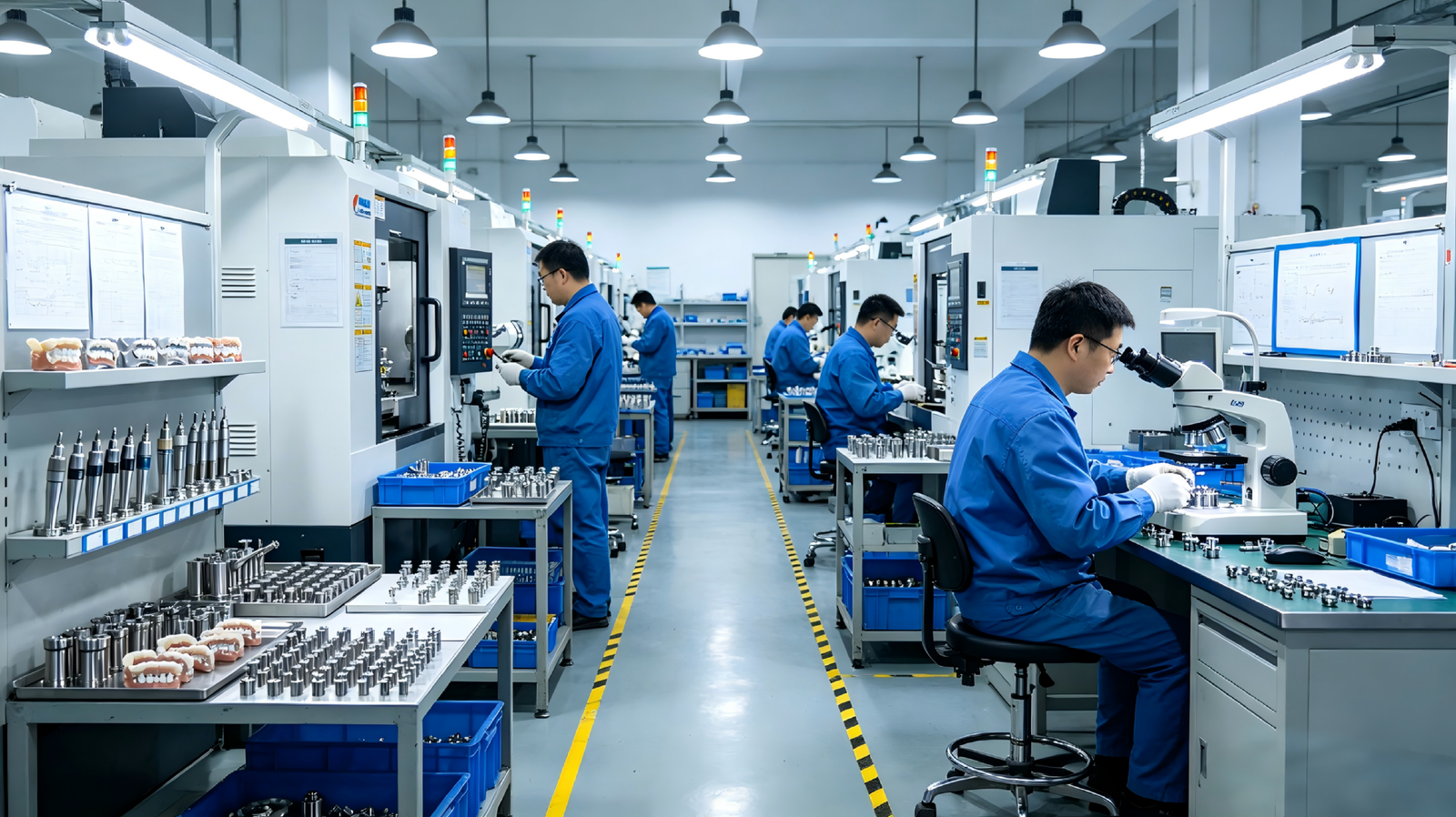
Building a private-label dental instrument brand requires more than choosing products from a catalogue.
Successful OEM projects involve product selection, technical specifications, branding, packaging and quality control.
For distributors, importers and medical supply companies, working directly with a dental instrument manufacturer can provide greater control over the final product.
This guide explains how OEM dental instruments are developed and what buyers should prepare before starting a private-label project.
What Does OEM Dental Instruments Mean?
OEM stands for Original Equipment Manufacturer.
In dental instruments, an OEM project generally means a manufacturer produces instruments according to the customer’s requirements and branding.
The customer may select an existing model or request modifications.
The finished product can be sold under the customer’s own brand.
OEM vs ODM Dental Instruments
OEM usually begins with an existing specification or customer design.
ODM can involve greater manufacturer participation in product development.
In practice, many dental projects combine both approaches.
A distributor may choose a standard instrument but request a different working end, handle and packaging.
Who Needs Private Label Dental Instruments?
Private-label manufacturing can be suitable for:
dental distributors, medical wholesalers, importers, clinic groups, dental brands and product development companies.
It is especially useful for companies that want to differentiate their product range.
Step 1: Select Existing Products
The easiest OEM project often begins with standard models.
The buyer reviews available instruments and selects products that match the target market.
Examples include:
diagnostic instruments, endodontic tools, restorative instruments, surgical instruments and cassettes.
Step 2: Confirm Product Specifications
Before production, the buyer and manufacturer should confirm the product specification.
This may include:
overall length, working-end geometry, handle style, surface finish and model code.
Clear specification control reduces misunderstandings.
Step 3: Develop Custom Working Ends
Some projects require a custom tip or working-end design.
The customer can provide:
physical samples, drawings, dimensions or high-resolution photographs.
Physical samples are often useful when geometry is difficult to describe.
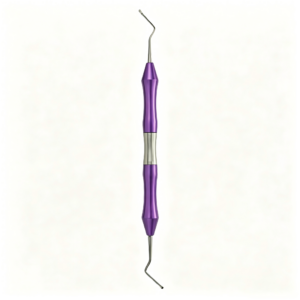
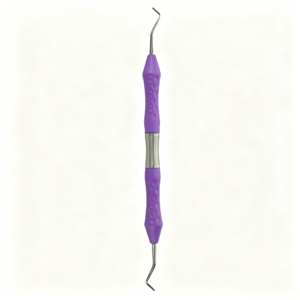
Step 4: Customize Handles
Handle customization can help create a recognizable product range.
Options may include grip pattern, diameter, surface texture and marking area.
Using one handle style across several products can create consistent branding.
Step 5: Add Logo Laser Engraving
Laser engraving is a common private-label option.
The customer should provide a vector logo where possible.
Before bulk production, confirm:
logo size, position, orientation and model numbering.
Step 6: Create Instrument Sets
Individual instruments can be combined into procedure-based sets.
Examples include:
diagnostic sets, restorative sets, endodontic sets and surgical sets.
The manufacturer can then match the set with a suitable cassette.
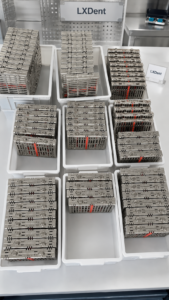
Step 7: Customize the Cassette
A cassette can be configured according to the selected instruments.
Important factors include:
cassette size, number of positions, silicone rail layout and instrument clearance.
Private-label logos can also be added to suitable cassette surfaces.
Step 8: Develop Packaging
Packaging is important for brand presentation.
Private-label packaging may include:
brand name, model code, product description and market-specific information.
The exact packaging specification should be confirmed before mass production.
Step 9: Approve Samples
Sampling is one of the most important stages of an OEM project.
The buyer should inspect:
working ends, finish, handle, logo, packaging and overall appearance.
Any required changes should be made before bulk production.
Step 10: Bulk Production
Once the sample or specification is approved, production can proceed.
For larger orders, the buyer should confirm final quantities and packaging requirements.
Quality Inspection
Private-label buyers need consistent quality because product complaints directly affect their own brand.
Inspection can include:
working-end geometry, surface finish, joints, logo marking, set configuration and packaging.
Information Needed for an OEM Quote
When requesting a quotation, provide:
product name, model or photograph, quantity, destination market, customization requirements, logo file, packaging requirements and reference sample if available.
More detailed information usually leads to a more accurate quotation.
Why Multi-Category Manufacturing Matters
A distributor may want to expand beyond one product.
Working with a manufacturer offering multiple categories can simplify product development.
For example, one supplier can potentially support:
Diagnostic
Endodontic
Restorative
Surgical
Specialized Instruments
Cassettes
This helps create a more consistent private-label portfolio.
Frequently Asked Questions
Can I use my own brand name?
Yes, private-label manufacturing is designed for this purpose.
Can I send my own sample?
Yes. Samples are useful for custom design projects.
Can cassettes also be customized?
Yes, cassette layout and branding can be discussed.
Is there one MOQ for all products?
MOQ may vary by product and customization level.
Conclusion
OEM dental instruments give distributors greater control over branding and product structure.
The most successful projects begin with clear specifications, approved samples and consistent communication.