Dental Diagnostic Instruments: Types, Names and Uses
Dental diagnostic instruments are among the most frequently used hand tools in clinical dentistry.
Before restorative, endodontic or surgical treatment begins, dental professionals must first examine the oral cavity and identify areas that require further evaluation.
A well-organized diagnostic instrument set can support efficient examination and clinical workflow.
For dental distributors and private-label brands, diagnostic instruments are also an important product category because they are widely used across general dental practices.
This guide introduces the main types of dental diagnostic instruments and explains what professional buyers should consider when selecting or developing a diagnostic range.
What Are Dental Diagnostic Instruments?
Dental diagnostic instruments are hand tools used during examination and assessment.
Common diagnostic instruments include dental mirrors, explorers, periodontal probes and dressing pliers.
These instruments may appear simple, but the shape and finish of their working ends are important.
Fine differences in tip geometry, handle design and angle can affect how the instrument is used.
Dental Mirrors
Dental mirrors are one of the most recognizable dental examination instruments.
They help clinicians view areas of the oral cavity that may be difficult to see directly.
A mirror can also assist with soft-tissue retraction.
Dental mirror systems may include a separate handle and replaceable mirror head depending on the design.
When sourcing dental mirrors, buyers should consider the mirror size, handle design, connection system and surface quality.
Dental Explorers
Dental explorers typically feature fine, pointed working ends.
They are used for tactile examination and detailed inspection.
Different explorer patterns may have different angles and tip configurations.
For manufacturers, producing a fine explorer requires careful working-end processing.
The tip should be consistent across production batches.
Periodontal Probes
Periodontal probes are another important diagnostic instrument.
They usually include measurement markings and a narrow working end.
Because the scale and geometry must remain consistent, buyers should inspect marking clarity and working-end quality.
Distributors developing a periodontal instrument range may also combine probes with mirrors and explorers.
Dressing and Cotton Pliers
Dressing pliers, cotton pliers and similar instruments are used to grip or transfer small materials.
They are usually tweezer-style instruments with a textured gripping area.
Important product details include tip alignment, handle spring tension and surface finish.
What Is Included in a Basic Dental Diagnostic Set?
A basic diagnostic set often includes several core instruments.
A common configuration may include a dental mirror, explorer, periodontal probe and dressing pliers.
However, the exact combination can vary according to market preferences.
For dental distributors, offering multiple set configurations may be useful.
For example:
Basic Examination Set
Periodontal Diagnostic Set
General Dentistry Set
Student Dental Instrument Set
Private-Label Clinic Kit
Why Handle Design Matters
Dental diagnostic procedures require precise control.
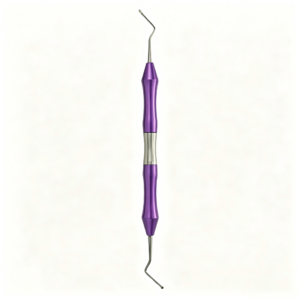
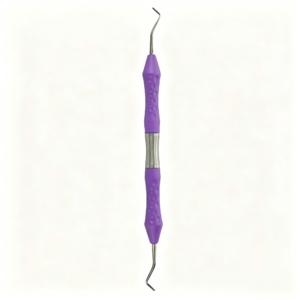
Handle design can influence grip and instrument balance.
Some buyers prefer heavier stainless steel handles, while others prefer lighter designs.
Knurled or textured surfaces may help provide grip.
When developing a consistent product line, distributors may choose a standardized handle style across several instrument categories.
This creates a more unified brand appearance.
Instrument Working-End Quality
Fine diagnostic working ends require careful manufacturing.
A poorly formed tip may reduce product usability or create visible inconsistencies between products.
During sample evaluation, buyers should examine:
tip shape, symmetry, angles, surface finish, transition from shaft to handle and model consistency.
For OEM development, approved reference samples can help establish the final specification.
Building Customized Diagnostic Instrument Sets
Diagnostic instruments are well suited to complete kit development.
A manufacturer can combine selected instruments with a dental cassette.
A customized set may include:
dental mirror, explorer, periodontal probe, dressing pliers, stainless steel cassette, logo engraving and branded packaging.
This approach is particularly useful for distributors and dental brands.
Internal link:https://lxdent.com/accessories-cassettes/
OEM Diagnostic Instruments
Private-label brands may want to differentiate their diagnostic product range.
Customization can include:
handle patterns, logo laser engraving, model identification, working-end selection, instrument combinations and packaging.
The buyer should provide reference products or clear specifications.
For custom working ends, drawings or physical samples can be particularly helpful.
How to Choose a Diagnostic Instrument Manufacturer
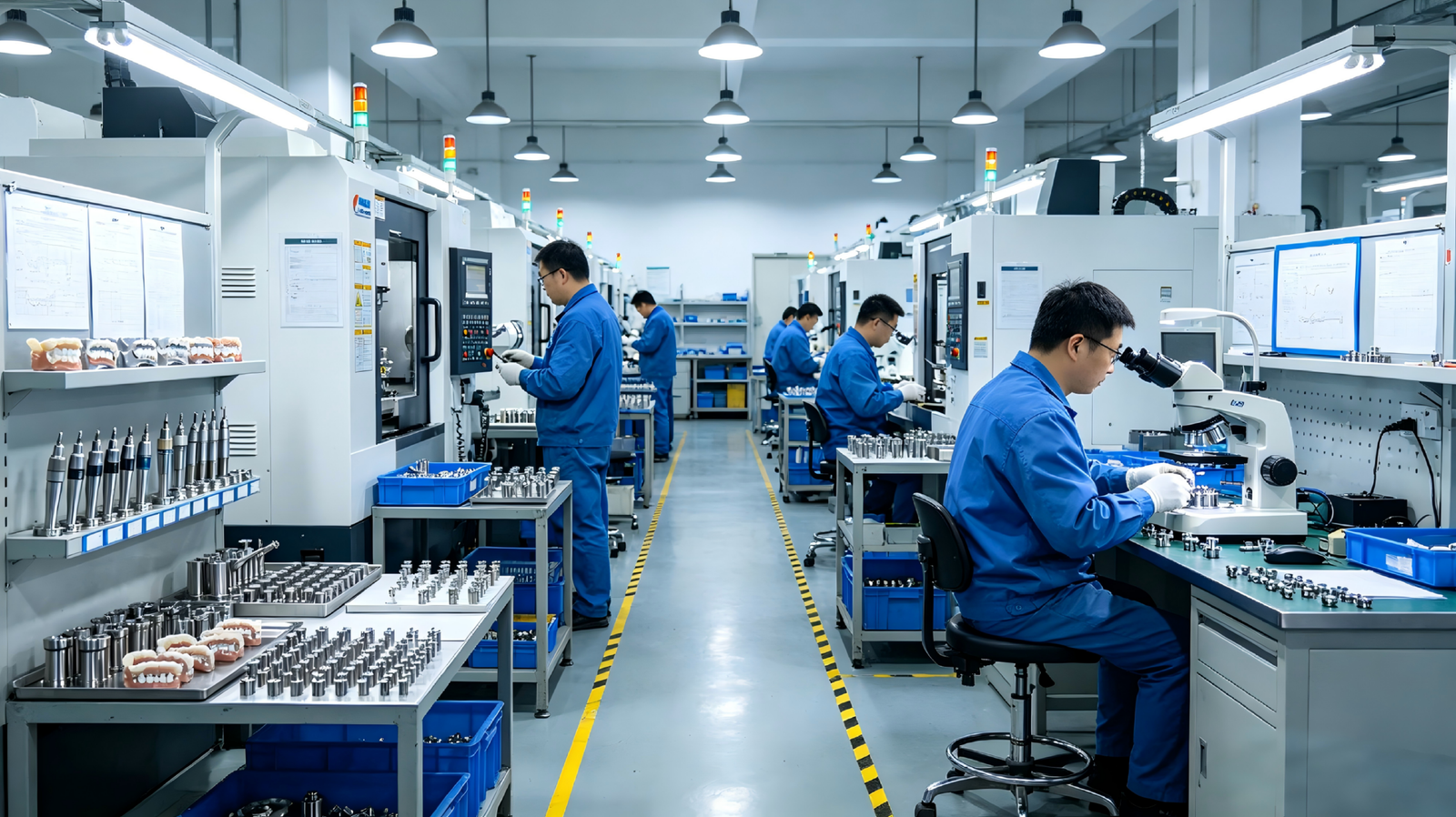
When evaluating a manufacturer, consider both product quality and development capability.
Ask whether the company can provide samples.
Check whether it manufactures multiple dental instrument categories.
Review product surface consistency.
Ask about laser engraving.
Discuss customized sets.
Confirm whether cassette and packaging solutions are available.
For distributors, working with a supplier that can support the entire product family may simplify purchasing.
Diagnostic Instruments for Dental Distributors
Diagnostic products can serve as an entry point for a broader dental instrument catalogue.
Once the basic examination range is established, distributors can expand into endodontic, restorative and surgical instruments.
This creates natural cross-selling opportunities.
For example, a buyer purchasing a diagnostic set may also require:
restorative instruments, endodontic tools, surgical forceps or instrument cassettes.
A structured product portfolio helps distributors serve clinics more effectively.
Care and Organization
Instrument organization is an important part of clinical workflow.
Dental cassettes help keep diagnostic instruments grouped together.
For larger clinics, standardized cassette configurations can simplify the preparation of multiple procedure sets.
Distributors can also sell cassettes together with instruments as complete kits.
Frequently Asked Questions
What are the main dental diagnostic instruments?
Common examples include mirrors, explorers, periodontal probes and dressing pliers.
Can diagnostic instruments be customized?
Yes. Depending on manufacturing capability, working ends, handles, laser marking and instrument combinations may be customized.
Can diagnostic instruments be sold as a set?
Yes. Diagnostic instruments can be combined with a cassette or tray.
Can a distributor add a private-label logo?
Suitable instruments can be laser marked according to agreed branding requirements.
Conclusion
Dental diagnostic instruments form the foundation of many clinical workflows.
Although they are widely used, precision remains important. Fine tips, consistent angles, handle balance and surface finishing all affect product quality.
For dental distributors and private-label brands, diagnostic instruments are also a strong category for building customized sets.