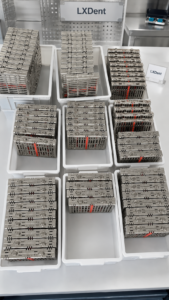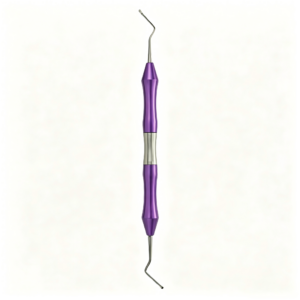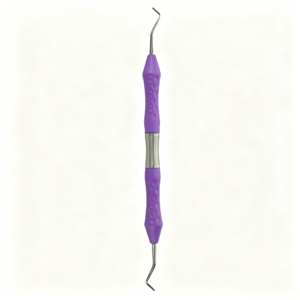

Dental instrument sets allow clinics and distributors to organize multiple tools around a specific clinical procedure.
Instead of purchasing instruments individually, buyers can create complete kits for diagnosis, restorative dentistry, endodontics or surgery.
For private-label brands, customized instrument sets also create stronger product differentiation.
This guide explains how to build a professional dental instrument set from product selection through final packaging.
What Is a Dental Instrument Set?
A dental instrument set is a group of tools selected for a particular procedure or workflow.
The instruments may be supplied loose, in a tray or inside a dedicated cassette.
A complete set can include both instruments and accessories.
Standard Set vs Customized Set
A standard set uses a predefined list of instruments.
A customized set is developed according to customer requirements.
Customization may involve:
instrument selection, handle style, working-end type, cassette layout, logo marking and packaging.
For distributors, customized sets can better match local market preferences.
Diagnostic Instrument Set
A basic diagnostic set often includes:
dental mirror, explorer, periodontal probe and dressing pliers.
This is one of the most common dental kits.
A compact cassette can keep the instruments organized.
Restorative Instrument Set
A restorative set may include:
composite placement instrument, condenser, burnisher, carver and cavity preparation tool.
Different restorative procedures may require different combinations.
Internal link:https://lxdent.com/restorative-operative-instruments/
Endodontic Instrument Set
An endodontic set may include:
explorer, plugger, spreader, excavator and specialized endodontic instrument.
A file organizer can be added depending on the project.
Internal link:https://lxdent.com/endodontic-instruments/
Surgical Instrument Set
A surgical kit may include:
elevator, extraction forceps, surgical scissors, needle holder and tissue forceps.
Because these products are larger, cassette size should be selected carefully.
Internal link:https://lxdent.com/surgical-instruments/
General Dentistry Set
Distributors may also develop a broader general dentistry kit.
This can combine instruments from several categories.
The goal is to provide a convenient package for clinics, students or institutional buyers.
Selecting the Right Cassette
Cassette selection is one of the most important stages.
Consider:
number of instruments, instrument length, handle diameter, position and total internal clearance.
The cassette should hold each instrument securely.
Internal link:https://lxdent.com/accessories-cassettes/
Custom Cassette Layout
If a standard cassette does not match the selected instruments, the holder layout can potentially be customized.
The customer should provide a complete instrument list.
For highly specific projects, samples may be required.
Choose a Consistent Handle Style
A complete instrument set looks more professional when the tools share a consistent visual design.
Using the same handle pattern or engraving style can create a stronger brand identity.
This is particularly useful for private-label companies.
Logo Laser Engraving
Private-label instrument sets can include a logo or model code.
Before production, confirm:
logo size, engraving position, font and model numbering.
The same logo standard should be applied across all instruments where possible.
Product Numbering
A structured SKU system can make product management easier.
For example:
DI-01 for diagnostic instruments
EDI-01 for endodontic instruments
ROI-01 for restorative instruments
DSI-01 for surgical instruments
ACC-01 for cassettes
A consistent numbering system also makes catalog development easier.
Private-Label Packaging
The final set can be packed under the customer’s own brand.
Packaging may include:
logo, product name, instrument list, model number and market-specific information.
The final packaging specification should be approved before bulk production.
Sample Approval
Before placing a large order, review a sample set.
Check:
instrument selection, cassette layout, logo position, overall appearance and packaging.
This is the best time to make adjustments.
Building Different Product Levels
Some distributors develop several product levels.
For example:
Basic Set
Professional Set
Premium Set
The number of instruments and cassette design can vary.
This approach creates different price points within the same brand.
Information Needed for a Quote
To receive an accurate quotation, provide:
instrument list, quantity, photographs or models, required cassette, logo file, packaging requirements and destination market.
If you already have a competitor reference set, photographs or physical samples can help communicate your requirements.
Benefits for Dental Distributors
Complete sets offer several commercial advantages.
They can simplify selling, improve product presentation and create higher-value packages.
They also make private-label branding more visible because the customer receives a complete system rather than a single tool.
Frequently Asked Questions
Can I choose instruments from different categories?
Yes. A custom set can combine products from multiple categories.
Can the cassette be customized?
Yes, depending on the instrument configuration.
Can every instrument include our logo?
Suitable products can be laser marked.
Can packaging use our brand?
Private-label packaging can be discussed as part of the project.
Conclusion
A professional dental instrument set combines the right tools, cassette layout, branding and packaging into one complete product.
For clinics, sets improve organization. For distributors, they create stronger commercial offerings.